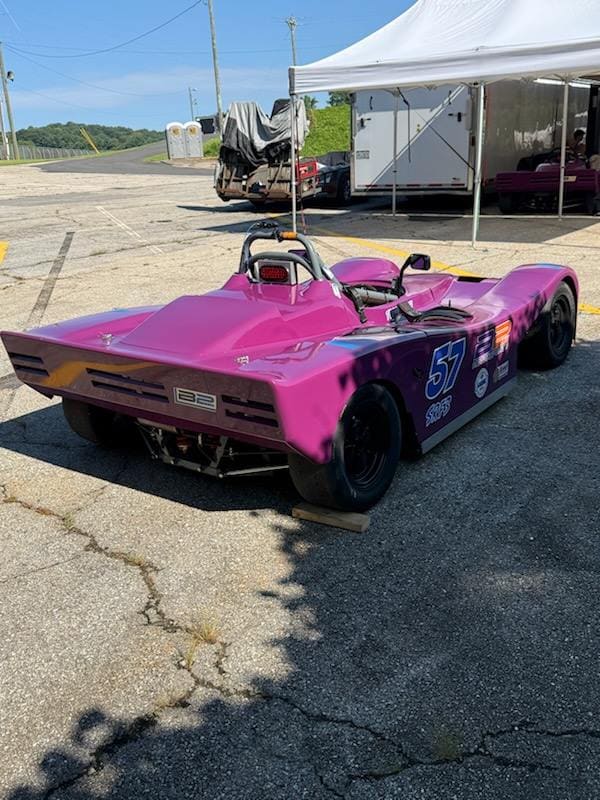
Understanding Prep Shops, Customer Service Representatives, and the Environment Around Your Race Program
For drivers entering Spec Racer Ford, one of the most important decisions they will make is choosing a prep shop. The shop you choose becomes more than a mechanical service provider. It often becomes your team, your learning environment, and your primary support system during a race weekend.
Many drivers focus only on price when making this decision. Price matters, but the structure of the program, the team culture, and the opportunities for driver development are often more important over the long term.
Understanding how prep shops operate in Spec Racer Ford can help drivers make a better decision.
Prep Shops and Customer Service Representatives
Spec Racer Ford is somewhat unique compared with many racing classes because the manufacturer maintains a Customer Service Representative (CSR) network to support the platform.
The CSR’s responsibilities generally include:
- Technical support for the class
- Communication of service bulletins and rule clarifications
- Parts supply and technical troubleshooting
- Helping maintain parity and reliability across the platform
Many CSRs also operate prep shops that provide trackside support for drivers.
Because of this overlap, new drivers sometimes assume that choosing a CSR automatically means a certain level of service. In reality, the services provided by each prep shop program can vary significantly, even when the shop is associated with a CSR.
Drivers should focus on the structure of the prep program itself and what services are actually included.
Understanding Pricing Structure
Prep shop pricing structures vary widely. Some teams offer an all-inclusive program, while others advertise a lower base price but bill most services separately.
New drivers should not just ask “What does a race weekend cost?” They should ask what is included in that cost.
Transportation
Transportation is often a major cost component.
Questions to ask:
- Is transportation to events included?
- Are transportation costs split among drivers?
- Are long-distance events priced differently?
- Is shop storage included between events?
Trackside Support
Trackside support varies depending on the size of the team and the number of cars supported.
Questions to ask:
- How many cars does the team support at a typical event?
- How many mechanics are present?
- Is mechanical support available throughout the entire weekend?
- Are alignment and setup adjustments included?
Coaching
Some teams provide coaching as part of their program, while others offer it as an optional service.
Drivers should ask:
- Is driver coaching included?
- Is data analysis provided?
- Does the team review video or telemetry?
- Are track walks or classroom sessions offered?
Hospitality
Hospitality can affect the overall race weekend experience.
- Does the team provide a hospitality area?
- Are meals or refreshments available?
- Is there space for family members or sponsors?
Crash Damage and Labor
One of the most important questions to ask is how crash repairs are handled.
Drivers should ask:
- If I crash during a weekend, how is labor billed?
- Is emergency repair labor billed differently?
- Are overnight repairs billed at a higher rate?
- How are replacement parts billed during an event?
Understanding this ahead of time prevents surprises if something goes wrong during a race weekend.
Team Culture
Team culture is one of the most overlooked factors when choosing a prep shop.
Drivers often see the team only during race weekends, but the culture outside race weekends can be just as important.
Some teams operate purely as service providers. Others build a community where drivers interact and help each other improve.
Questions to consider:
- Do drivers share information with each other?
- Do experienced drivers mentor newer drivers?
- Does the team encourage collaboration?
What Happens Between Race Weekends
The strongest programs do not operate only during race weekends. Many teams provide opportunities for drivers to improve throughout the season.
Examples include:
- Simulator practice sessions
- Video and data review meetings
- Shop days where drivers can learn how the cars are maintained
- Technical discussions about setup and race strategy
Drivers should ask:
- Are there opportunities to practice together on simulators?
- Does the team host driver development sessions?
- Can customers visit the shop to learn about their car?
- Are drivers encouraged to participate in preparation work?
Customer Learning Opportunities
Drivers vary in how involved they want to be with the mechanical side of racing.
Some prefer a turnkey arrive-and-drive experience. Others want to learn how the car works.
Drivers interested in learning should ask:
- Can customers visit the shop between events?
- Will setup changes be explained?
- Are drivers encouraged to learn about the car?
- Does the team review performance after sessions?
Final Thoughts
Choosing a prep shop is about more than simply finding someone to maintain the car.
Drivers are choosing a team environment that affects their learning, performance, and overall experience in the sport.
The strongest programs combine:
- Transparent pricing
- High-quality mechanical preparation
- Structured driver development
- A collaborative team culture
Drivers who evaluate these factors carefully tend to find a program that supports both performance and long-term enjoyment of racing.
More from B2 Motorsports
Read more on the B2 Motorsports blog, see how an SRF3 weekend works on Race With Us, or learn about the Driver Development Program. Questions? Contact us, call or text 256-910-0658, or email info@b2motorsports.com.